The Hidden Economy of Pallets: How Byproducts Quietly Build Wealth
A practical look at pallet reuse, ownership, repair, and the operating costs behind a family logistics enterprise.
October 17, 2026 · 3 min read
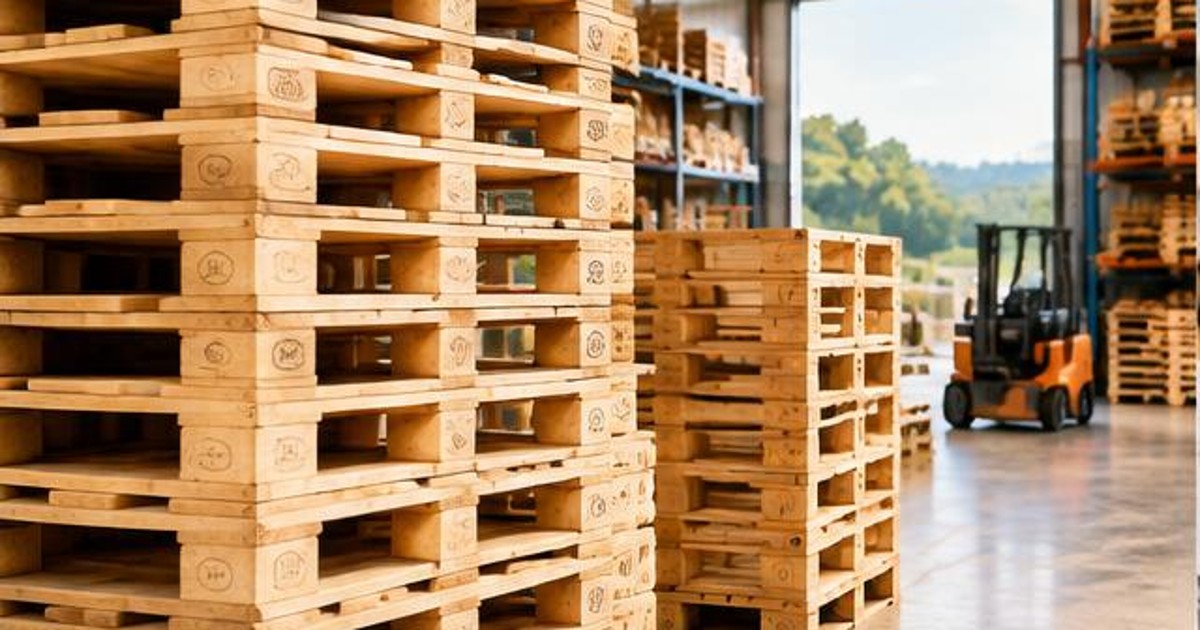
Start with the material, not the promise
A pallet looks ordinary because it is doing its job: making goods easier to move. Yet the boards underneath a shipment belong to a larger system of purchasing, handling, repair, storage, and recovery. For a family logistics enterprise, understanding that system can reveal useful business opportunities. It does not turn discarded wood into guaranteed wealth. The title describes the possibility of building a durable enterprise, not a promised financial outcome.
The first question is ownership. A pallet sitting behind a warehouse is not necessarily abandoned. Some pallets belong to pooling or rental systems and must be returned through authorized channels. Others belong to the shipper, receiver, or a third party under a contract. Obtain written permission before collecting anything. Color, stamps, and markings are clues, but they are not substitutes for checking ownership and the agreement governing the shipment.
Map the local material stream
Begin with a small audit rather than buying equipment. Record the sizes, construction, condition, quantity, and frequency of pallets generated by a willing supplier. Separate reusable pallets from repairable units and material that cannot safely carry a load. Check for contamination, broken boards, protruding nails, and signs that the pallet was used for chemicals or other unsuitable cargo.
Standard dimensions can make resale easier, but local buyers may need specific load capacities, designs, or quality grades. A nearby manufacturer could value a configuration that a distant recycler will not accept. Ask buyers what they actually purchase and how they inspect it. A verbal statement that someone buys pallets is not a standing commitment to buy your inventory.
Follow the unit economics
The purchase price is only one line of the calculation. Include collection mileage, driver time, vehicle capacity, unloading, sorting, repair labor, replacement boards, fasteners, storage, insurance, and disposal. An apparently free pallet may cost more to collect and prepare than a buyer is willing to pay. Empty space on a truck is not free if the extra stop delays a paid delivery.
A simple worksheet can track a batch from pickup to final disposition. Divide the total costs by the number of acceptable units, not the number collected. Rejects matter. So do slow payments and unsold stock. Compare the estimate with actual invoices and time records before committing to a bigger route. These are operational measurements, not forecasts of profit.
Repair is a process with safety responsibilities
Repair requires more than replacing whichever board looks damaged. A customer may specify a pallet grade, construction standard, or inspection procedure. Workers need safe tools, protective equipment, training, and a way to reject units that cannot be restored responsibly. Stacking height, fire access, lifting practices, and housekeeping also affect warehouse safety.
International wood packaging can be subject to phytosanitary treatment and marking requirements, including ISPM 15. A business cannot simply stamp repaired wood with an official treatment mark. Consult the relevant inspection or accreditation program and the destination requirements. Do not treat heat-treatment markings as a guarantee that old wood is clean enough for food contact, furniture, or indoor reuse.
Byproducts need their own buyers
Broken wood may have outlets in mulch, authorized biomass uses, or other material recovery channels. Each outlet has acceptance rules. Painted, chemically treated, contaminated, or mixed material may be unsuitable. Grinding equipment can add dust, noise, maintenance, and permitting obligations. Check local environmental and fire requirements before assuming that every reject has a market.
The North Carolina Department of Environmental Quality describes reuse, repair, and recycling options for businesses generating wooden pallets. Its guidance is a useful starting point because it distinguishes material recovery from simple disposal. Local rules and buyers still determine what is practical in your area.
Build a family operating system
A family-run operation benefits from clear roles: one person coordinates suppliers, another controls quality, and another reconciles tickets, invoices, and payments. Written pickup agreements should identify ownership, permitted materials, access times, contamination responsibilities, and what happens when a load is rejected. Keep family relationships separate from approval of business expenses.
Start with a manageable route and a documented buyer requirement. Measure collections, accepted units, repair time, inventory age, and payment delays. Expand only after the work is repeatable and the costs are understood. The hidden economy is not a secret shortcut; it is the everyday discipline of making an overlooked material useful again.
Further reading
NC DEQ: guidance for businesses generating pallets. This article is educational; consult qualified safety, environmental, and legal advisers for your operation.
INFUND publishes educational content only. Nothing here is financial, investment, legal, or tax advice. Consult a licensed professional about your situation.
The INFUND Letter
Substance, delivered.
New research on wealth, credit, markets, and business — no hype, no spam.